
Resources
Carbonate selection starts with the right questions
Lixing answers common questions about DMC, DEC, EMC, EC and PC: product selection, quality parameters, storage, transport and purchasing.
Explore 15 articles
DMC · DEC · EMC · EC · PC
Choose a topic for your current needs, from product differences to bulk procurement.
 01
01Products & selection
How do DMC, DEC, EMC, EC and PC differ?
Compare five common carbonates by name, molecular structure, fluidity, phase behavior and volatility to understand why their differences affect use.
Read article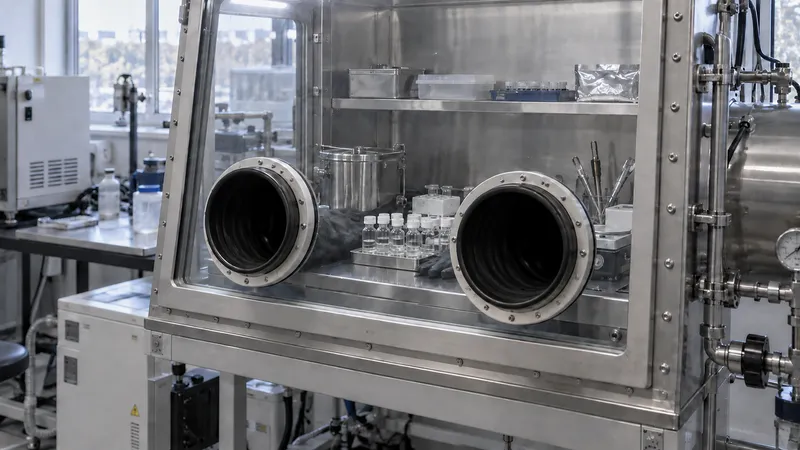 02
02Products & selection
Choosing electrolyte solvents: salt dissolution, flow and interfacial stability
Explore how salt dissolution, ion movement, temperature and electrode interfaces constrain one another, starting with the role of solvents in electrolytes.
Read article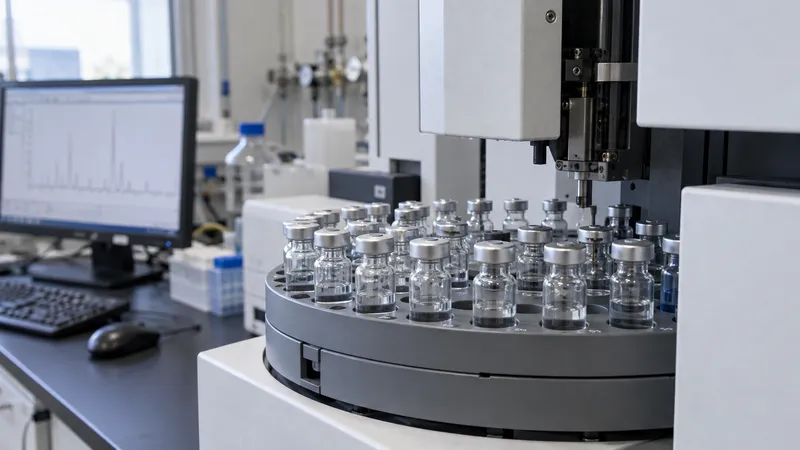 03
03Specifications & impurities
Reading battery-solvent purity: what do 99.9% and 99.99% mean?
Distinguish mass fraction from chromatographic area percentage, understand purity figures and see why water and other impurities still require separate measurement.
Read article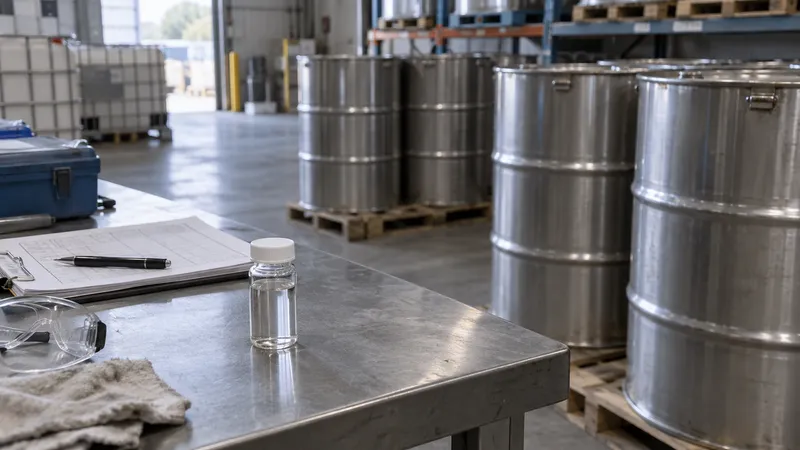 04
04Specifications & impurities
How do battery-grade and industrial-grade carbonates differ?
Compare grades of the same carbonate and understand how battery, coating, cleaning and synthesis applications differ in impurity controls, packaging and conditions of use.
Read article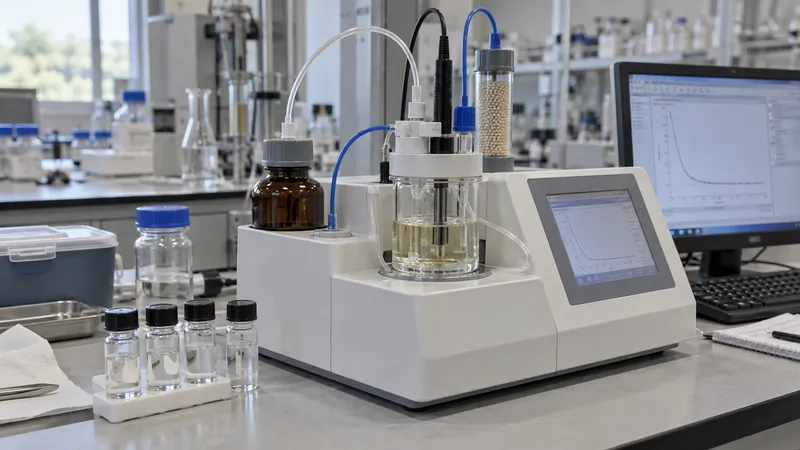 05
05Specifications & impurities
How are water requirements for battery-grade carbonates defined?
Understand water requirements in relation to applicable standards, product grades and application conditions, including mass ppm, water introduced by raw materials, and the effects of sampling and testing on assessment.
Read article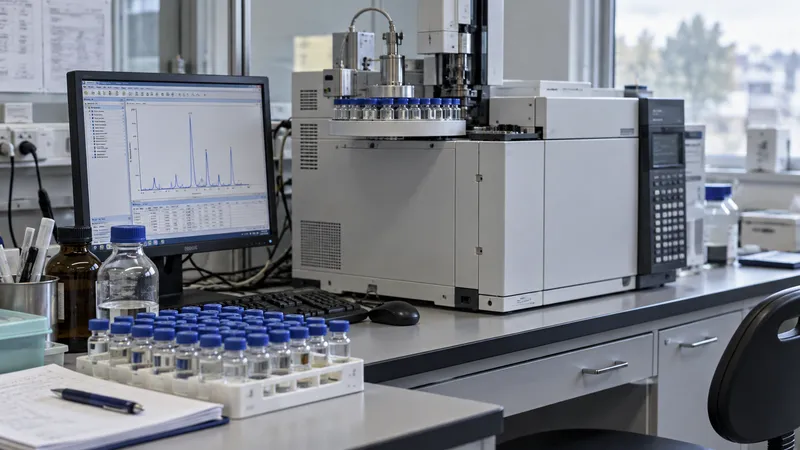 06
06Specifications & impurities
Impurities in electrolyte solvents: sources and effects
Explore the sources and possible effects of water, organic components, acidic substances, inorganic impurities and particles, and the questions addressed by different analytical methods.
Read article 07
07Products & selection
Why are EC and DMC, EMC or DEC often blended in electrolytes?
Understand how EC and linear carbonates complement one another in salt dissolution, flow and interface formation, and why mixing ratios change with the battery system.
Read article 08
08Products & selection
DMC, EMC and DEC: how do their physical differences affect electrolytes?
Starting with pure-substance melting points and volatility, explore how blending DMC, EMC and DEC and adding salt affect phase behavior, ion transport and composition retention.
Read article 09
09Products & selection
Can PC be used in graphite-anode batteries? Co-intercalation and interfacial protection
Understand PC compatibility issues in conventional graphite systems, distinguishing co-intercalation mechanisms, interfacial protection and research improvements under specific conditions.
Read article 10
10Products & selection
Where are the five common carbonate solvents used?
Explore the different roles of DMC, DEC, EMC, EC and PC in electrolytes, coatings, cleaning, chemical synthesis and gas treatment.
Read article 11
11Storage & transport
Why do carbonate solvents take up moisture? Storage and handling controls
Identify water sources in packaging residues, gases, air exposure and shared equipment, and understand the principles of closed handling, dry transfer and safe operation.
Read article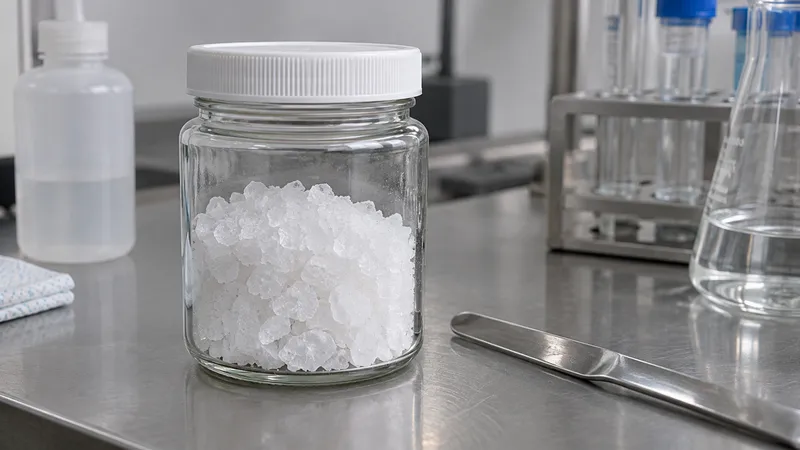 12
12Storage & transport
Why does EC crystallize? Is heating needed for storage and transfer?
Understand EC phase changes, the distinction between crystallization and degradation, and the separate considerations for solid storage, liquid transfer and controlled heating.
Read article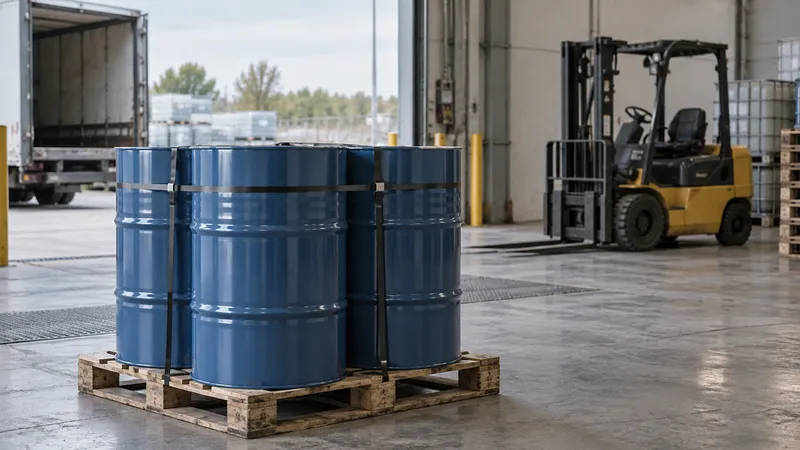 13
13Storage & transport
UN numbers, dangerous goods classifications and HS codes: what is the difference?
Distinguish transport identification, hazard classes, packing groups and customs classification, and learn how to read transport information for the five carbonates within its applicable conditions.
Read article 14
14Documents & purchasing
COA, SDS, TDS and REACH: understanding chemical documentation
Distinguish TDS product characteristics, COA batch tests, SDS safety information and REACH regulatory requirements, and understand their purposes and how they relate.
Read article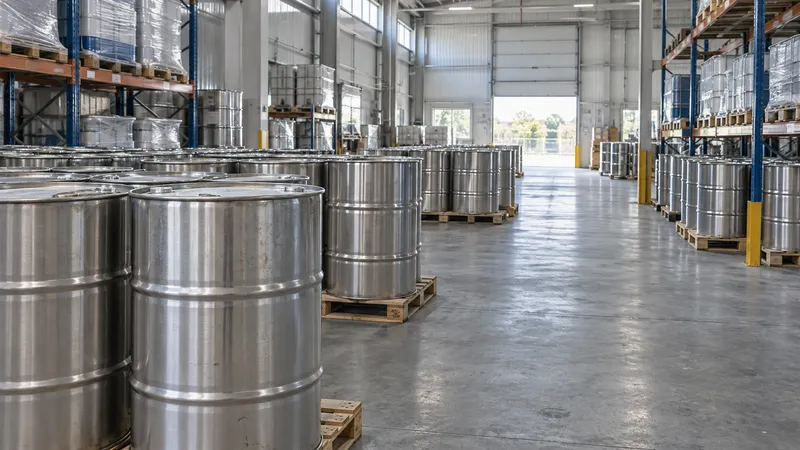 15
15Documents & purchasing
From samples to bulk supply: understanding battery-grade carbonate purchasing
Explore what changes when moving from small-sample trials to bulk purchasing, including specifications, samples and batches, packaging and delivery, technical documents and total delivered cost.
Read article