
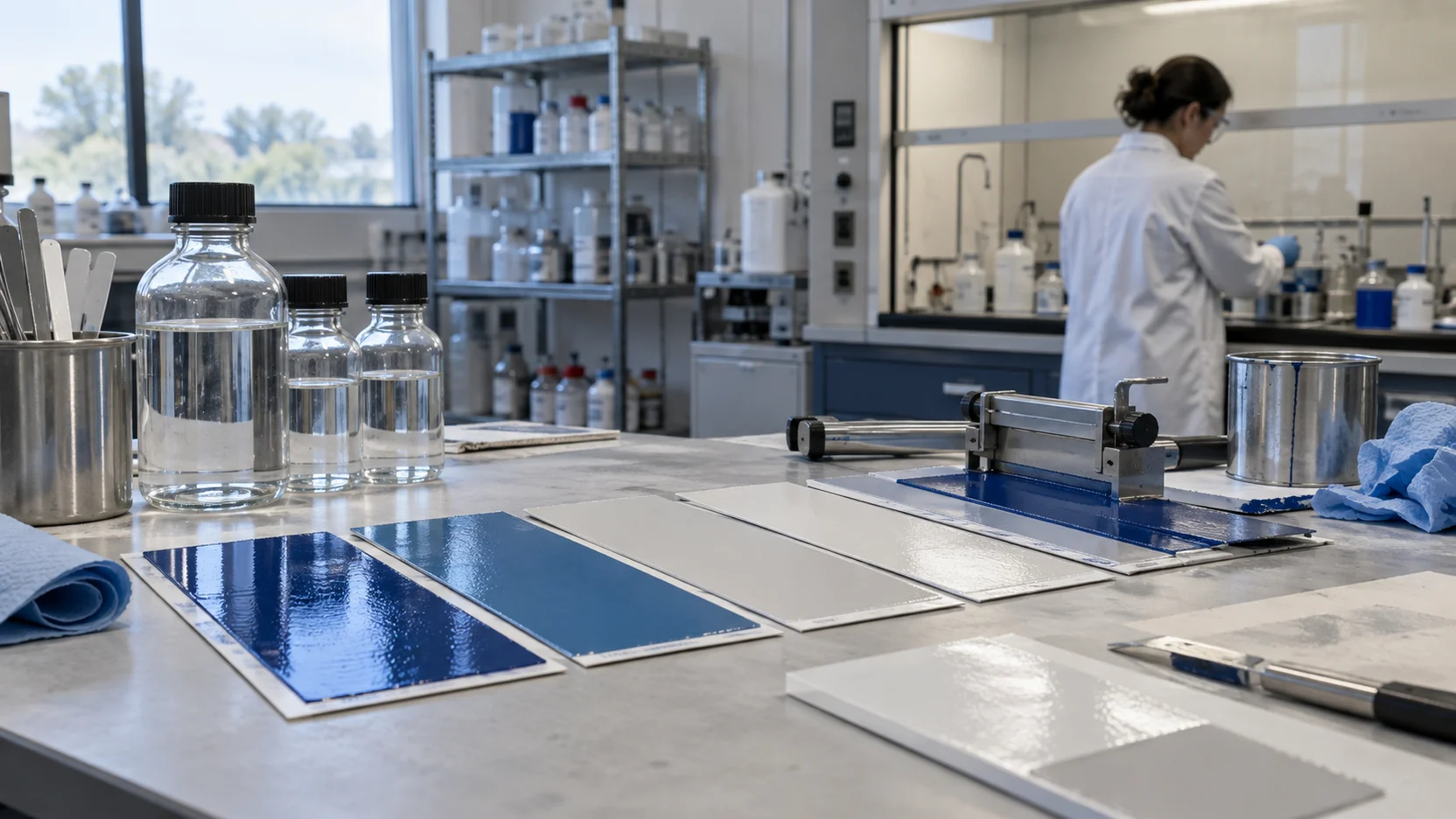
The five carbonates have different uses, determined by more than their names. In electrolytes, they affect salt dissolution, transport and interfaces. In industrial formulations, they may dissolve materials, adjust evaporation or provide cleaning. In synthesis, some carbonates also serve as reactants. Understanding their roles in a process is the starting point for understanding these uses.
Understand the five materials through their applications
| Material | Typical applications | Role | Key limitations |
|---|---|---|---|
| Dimethyl carbonate (DMC) | Electrolytes; coatings and cleaning; organic synthesis | Liquid medium, or a source of methyl/methoxycarbonyl groups in specific reactions | Evaporation, fire protection, resin or substrate compatibility |
| Ethyl methyl carbonate (EMC) | Lithium-ion battery electrolytes | Adjusts liquid properties together with other solvents | Must be considered with lithium salts, electrodes and temperature range |
| Diethyl carbonate (DEC) | Electrolytes; organic synthesis | Cosolvent, or reagent for specific ethoxycarbonylation reactions | Solvent and reactant roles differ |
| Ethylene carbonate (EC) | Electrolytes; specific transesterification syntheses | Participates in salt dissolution and interface formation, or serves as a reactant | Phase state, reaction conditions and system compatibility |
| Propylene carbonate (PC) | Compatible electrochemical systems; industrial solvent; gas treatment | Liquid medium or physical gas absorbent | Graphite compatibility, evaporation residues and gas partial-pressure conditions |
The table lists typical applications of the five materials; the following sections explain their roles in different processes. For solvent uses, the focus is dissolution, flow and compatibility. For reactant uses, reaction conditions and selectivity also matter. The specific grade should match the application.
Electrolytes: a medium that also affects electrode reactions
Ethylene carbonate (EC) is often combined with dimethyl carbonate (DMC), ethyl methyl carbonate (EMC) or diethyl carbonate (DEC) to balance salt dissolution, flow and phase behavior. The electrolyte wets electrodes and separators and enables ion transport. Some components also participate in forming protective interfaces at electrode surfaces.
Propylene carbonate (PC) can also be used in suitable electrochemical systems, but poses a co-intercalation risk in conventional graphite negative-electrode systems. PC’s electrochemical uses cannot be extended directly to every graphite battery. A battery-grade raw material designation also cannot replace assessment of formulation compatibility.
Coatings and cleaning: consider evaporation and residue after dissolution
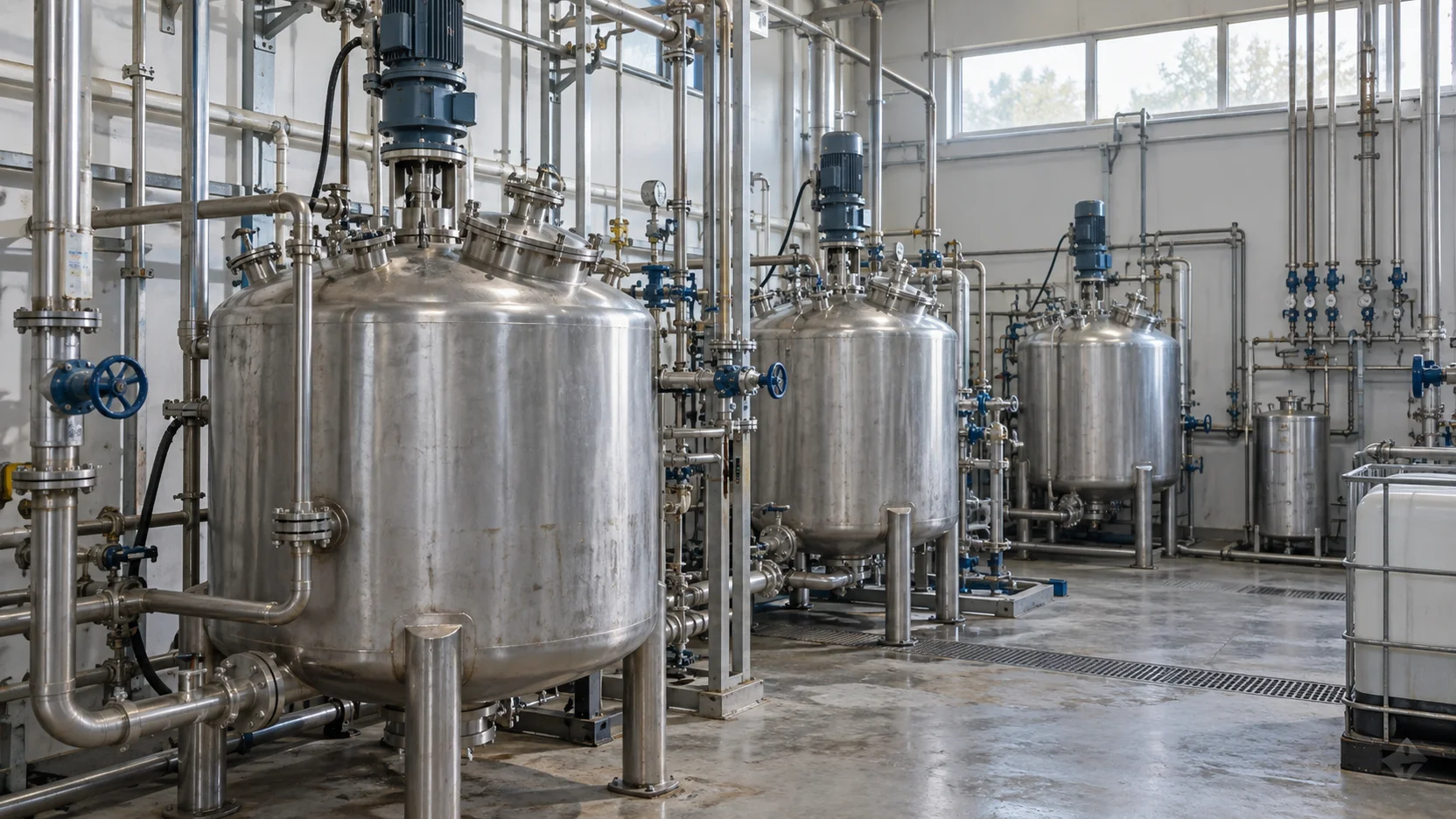
In coatings and similar formulations, solvents help components dissolve, disperse or maintain appropriate flow, and subsequent evaporation affects film formation. DMC is relatively volatile; PC has a higher boiling point and evaporates more slowly. These differences affect drying and residue, so the comparison cannot focus solely on which dissolves more.
Cleaning requires removal of the target contamination without damaging the substrate, seals or surface coatings. A solvent that dissolves oil is not necessarily safe for every plastic or coating. Replacing an existing cleaner also involves rinsing, drying, recovery and fire-protection conditions.
Dissolution and dispersion must also be distinguished. Soluble dyes enter the liquid at molecular scale, whereas pigments generally remain solid particles and need good wetting and dispersion to reduce agglomeration. A solvent can dissolve resin or adjust the continuous liquid phase, but strong solvency alone cannot guarantee stable pigment dispersion. Dispersants, particle surfaces and the overall formulation also contribute.
Chemical synthesis: a solvent may also be a reactant
Under suitable reaction conditions, DMC can be used for methylation or methoxycarbonylation. The former introduces a methyl group; the latter introduces a methoxycarbonyl group. Different reactions require different substrates, catalysts and temperatures. DMC is not a universal substitute for every carbonylation process.
DEC can serve as an ethoxycarbonylating reagent in the synthesis of specific substrates. A patent also describes transesterification of cyclic carbonates such as EC with alcohols to produce the corresponding dialkyl carbonates and diol coproducts; the source is listed in the references. In these specific synthesis applications, the carbonate undergoes chemical change, unlike its role solely as a liquid medium. A patented route is not equivalent to a widespread industrial use.
Gas treatment: how PC serves as a physical absorbent
PC can absorb carbon dioxide by physical dissolution in specific gas-treatment processes and can be regenerated by changing process conditions. Absorption capacity depends on gas partial pressure, temperature and process design. Fluor’s process information in the references provides an application example.
This process uses PC as a regenerable absorption medium, separating gas through dissolution in the liquid. It differs from synthesis that consumes carbonate to make new substances. Changes in gas composition and partial pressure alter absorption conditions, so performance cannot be inferred simply from using PC.
The same use can still require different grades
Electrolytes generally emphasize trace water and reactive impurities. Industrial formulations may emphasize color, residue or recovery behavior. Synthesis reactions have their own requirements for specific impurities and catalyst compatibility. Once the intended use is known, the required grade still needs confirmation against the particular formulation and process.
Solvency, evaporation rate, material compatibility and safety conditions must be considered together. A high boiling point does not mean an absence of hazards, and suitability as an alternative solvent does not establish equal-quantity substitution without process adjustment.
References
Mitsui Fine Chemicals: physical properties and uses of carbonate products
Sigma-Aldrich: DEC physical properties and synthesis applications
Fluor: carbon dioxide removal using PC solvent
UBE: DMC uses in coatings, adhesives, cleaning and electrolytes
BYK: the relationship between wetting, dispersion and pigment stabilization
Sensient: dyes, pigments and the distinction between dissolution and dispersion
Selva, Bomben and Tundo (1997): selective mono-N-methylation of aromatic primary amines with DMC
Public patent US20110313185A1: transesterification of cyclic carbonates with alcohols