Defined specifications
Our specifications set out grades, key parameters and limits. Specified methods and additional requirements are addressed in the quality agreement.

LIXING · QUALITY & SAFETY
Lixing manufactures PC, EC, DMC, DEC and EMC. Quality and safety management covers reaction control, separation and refining, product inspection, packaging, storage and transport.
01 / PRODUCTION & PROCESS CONTROL
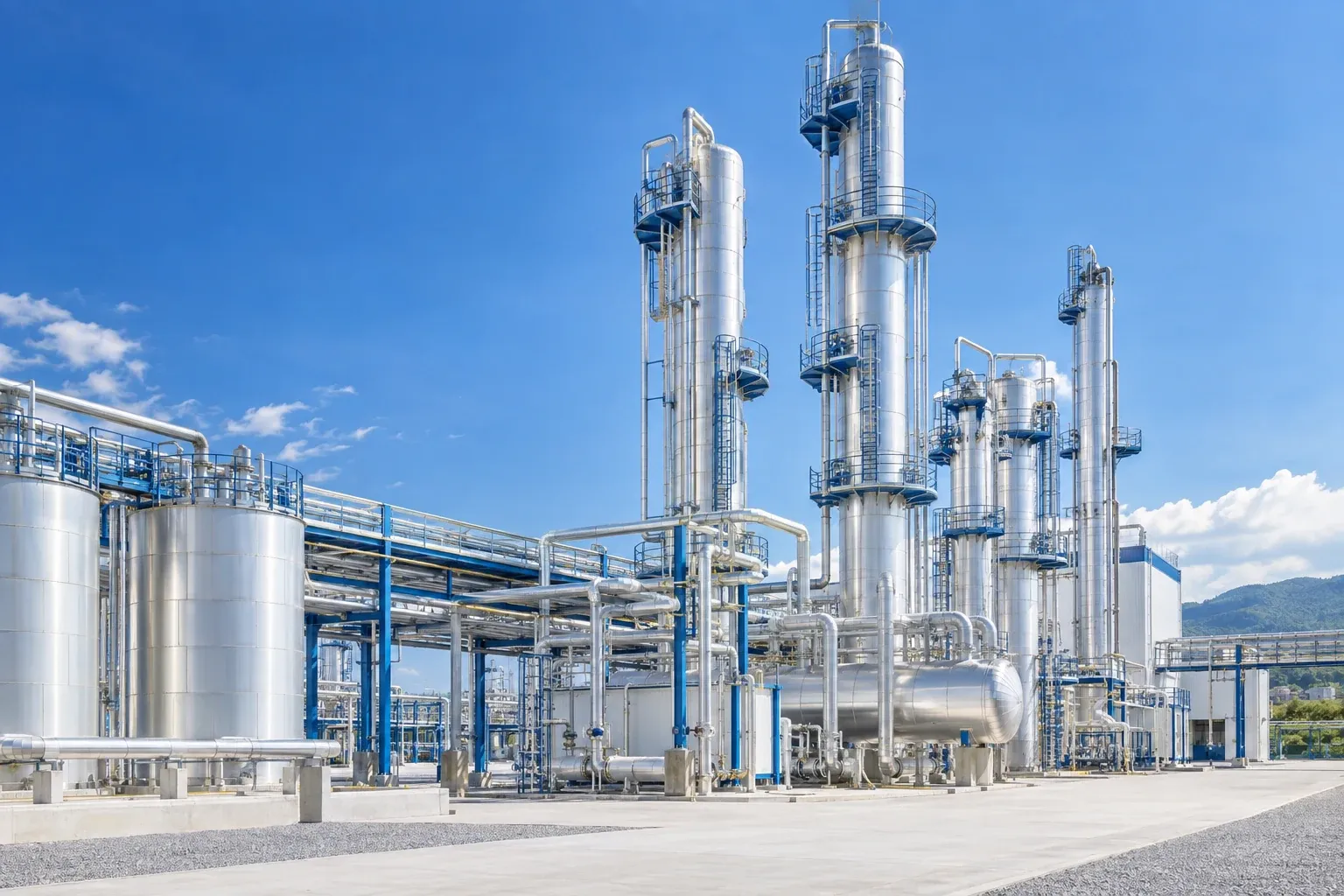
We operate three production lines: propylene carbonate (PC), ethylene carbonate (EC), and ethyl methyl carbonate/diethyl carbonate (EMC/DEC) co-production. The EMC/DEC process covers reaction, crude separation, distillation, packaging and warehousing. Each product and grade follows its own quality specification.
EMC/DEC co-production uses dimethyl carbonate and anhydrous ethanol.
We produce EMC and DEC in a reaction-column process integrated into the plant controls.
We use crude separation and distillation to separate components in line with finished-product composition requirements.
Finished-product specifications define inspection parameters by product and grade; packaging requirements depend on the product.
Product, batch and packaging details are used to check quality documents and delivery requirements.
Our specifications set out grades, key parameters and limits. Specified methods and additional requirements are addressed in the quality agreement.
Our product specifications address moisture, residual alcohols, glycols and related carbonates as applicable.
We include container materials, seals, loading quantities and unloading conditions when defining packaging and delivery requirements.
02 / PRODUCT INSPECTION
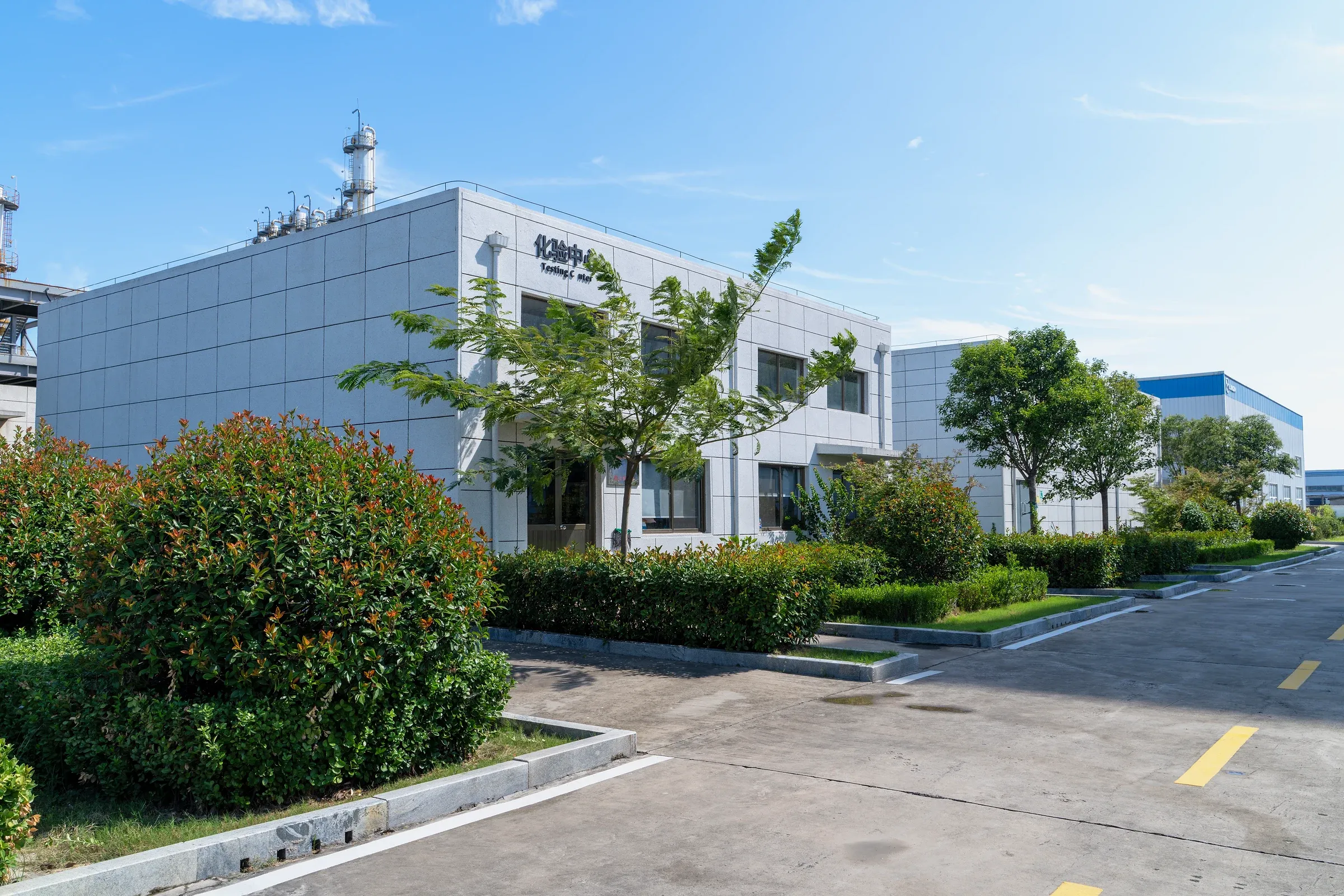
The PC, EC, DMC, DEC and EMC specifications cover content, moisture, appearance and colour, with impurity parameters specific to each product’s process and composition. Limits vary by product and grade.

| Inspection parameters | Products and specifications |
|---|---|
| Content & appearance | We specify content, physical form and visible mechanical impurities for the applicable grades of PC, EC, DMC, DEC and EMC. |
| Moisture & colour | We specify separate moisture and colour limits for each product and grade; moisture is assessed independently of purity. |
| Epoxides & glycols | PC: propylene oxide and propylene glycol. EC: ethylene oxide and ethylene glycol. Limits follow the applicable grade. |
| Residual alcohols | Our DMC specification includes methanol; our DEC and EMC specifications include methanol and ethanol. |
| Related carbonates | Our EMC specification includes dimethyl carbonate, diethyl carbonate and related components. |
We assess specified methods such as GC or Karl Fischer and additional parameters such as acidity or metal ions against the request. Feasible tests, methods and limits are defined in the quality agreement.
View product specifications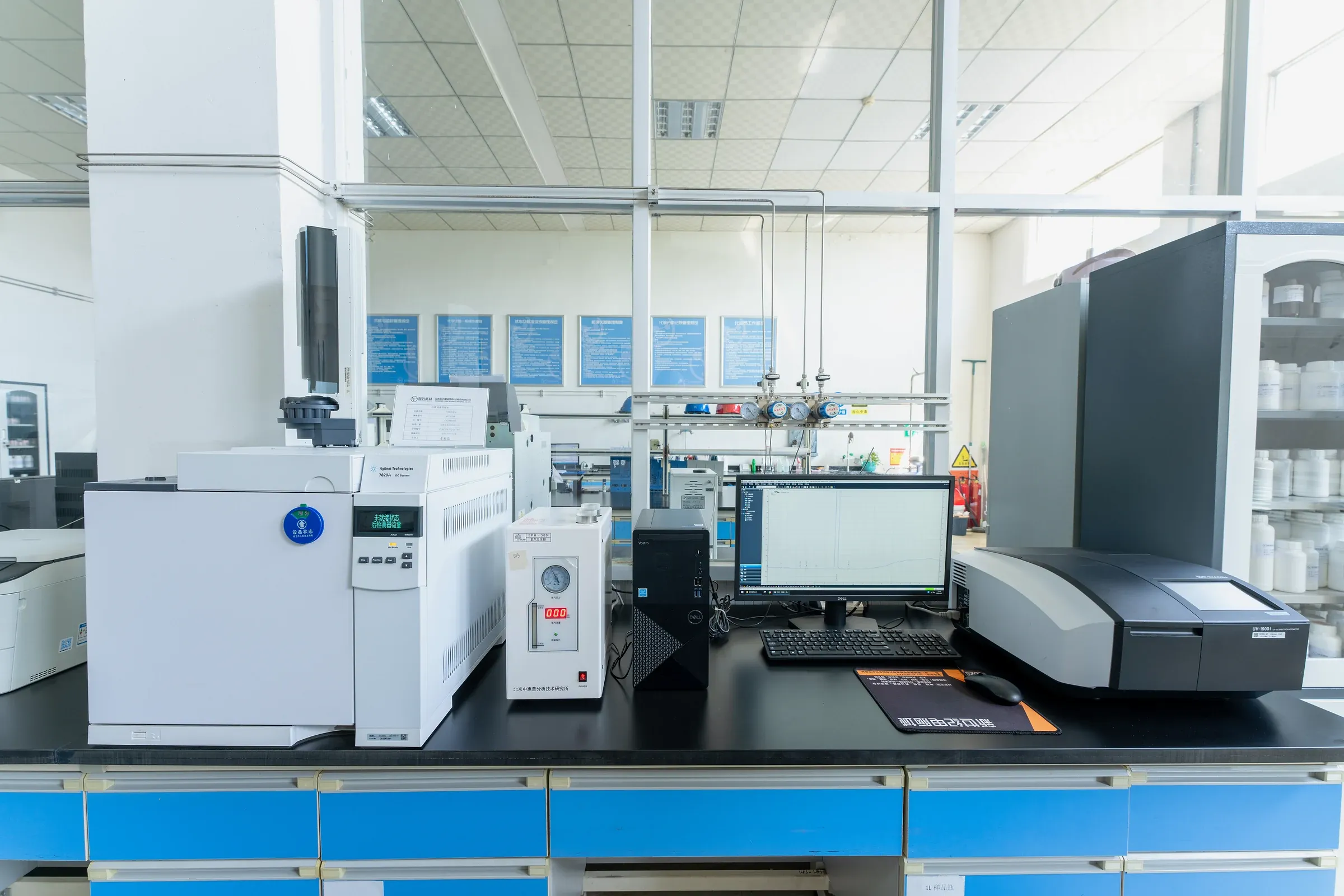
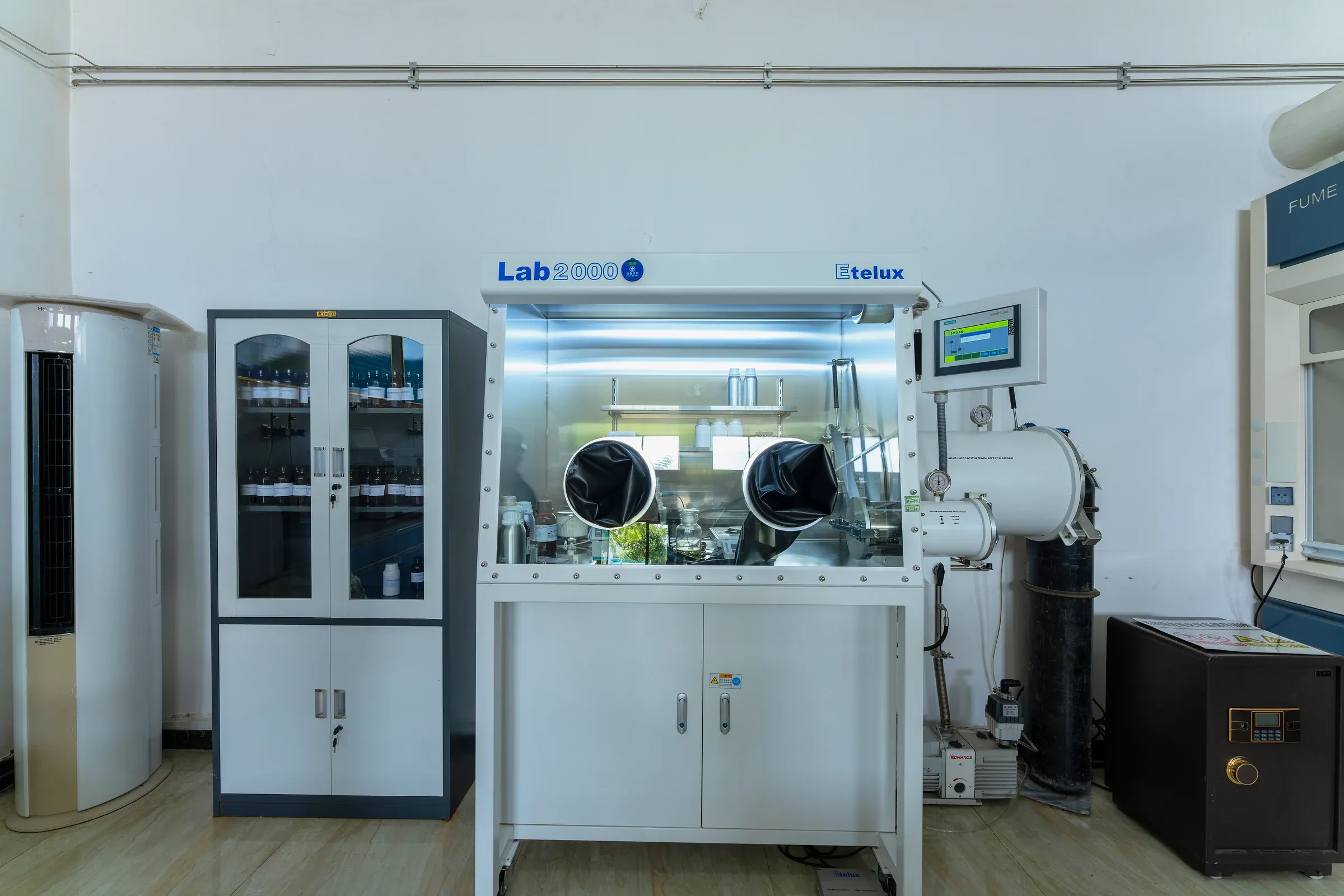
We inspect incoming propylene oxide and admit it to storage only after it passes inspection.
We inspect industrial-grade products before tank filling and release them for filling only after they pass.
We inspect electronic-grade products before tank filling and release them for filling only after they pass.
We inspect products before vehicle loading and release them for loading only after they pass.
03 / BATCHES & ACCEPTANCE
We use product names, orders and batch numbers to identify the corresponding quality documents. Packaging labels, batch COAs and agreed specifications support receipt checks and discrepancy reviews; document and record scope depends on the product and order.
Product · Grade · Limits · Methods
Order · Batch number · Packaging label
Batch COA · Parameters · Results
Package condition · Quantity · Document consistency
04 / SAFE PRODUCTION & USE
We manage our main reaction processes through DCS control and safety interlocks. For our products, we address fire and static risks, temperature management and exposure protection through product-specific safety information.
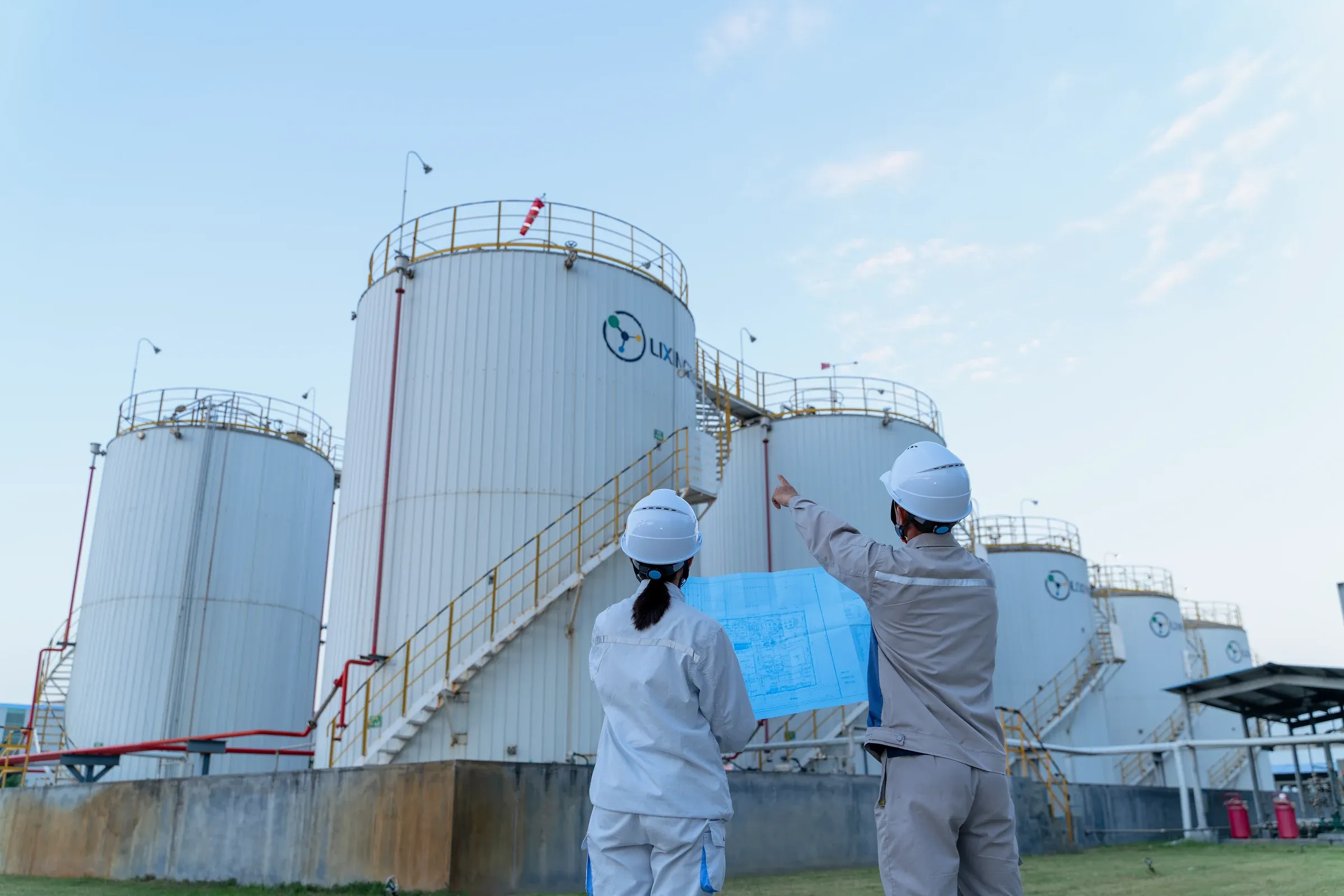
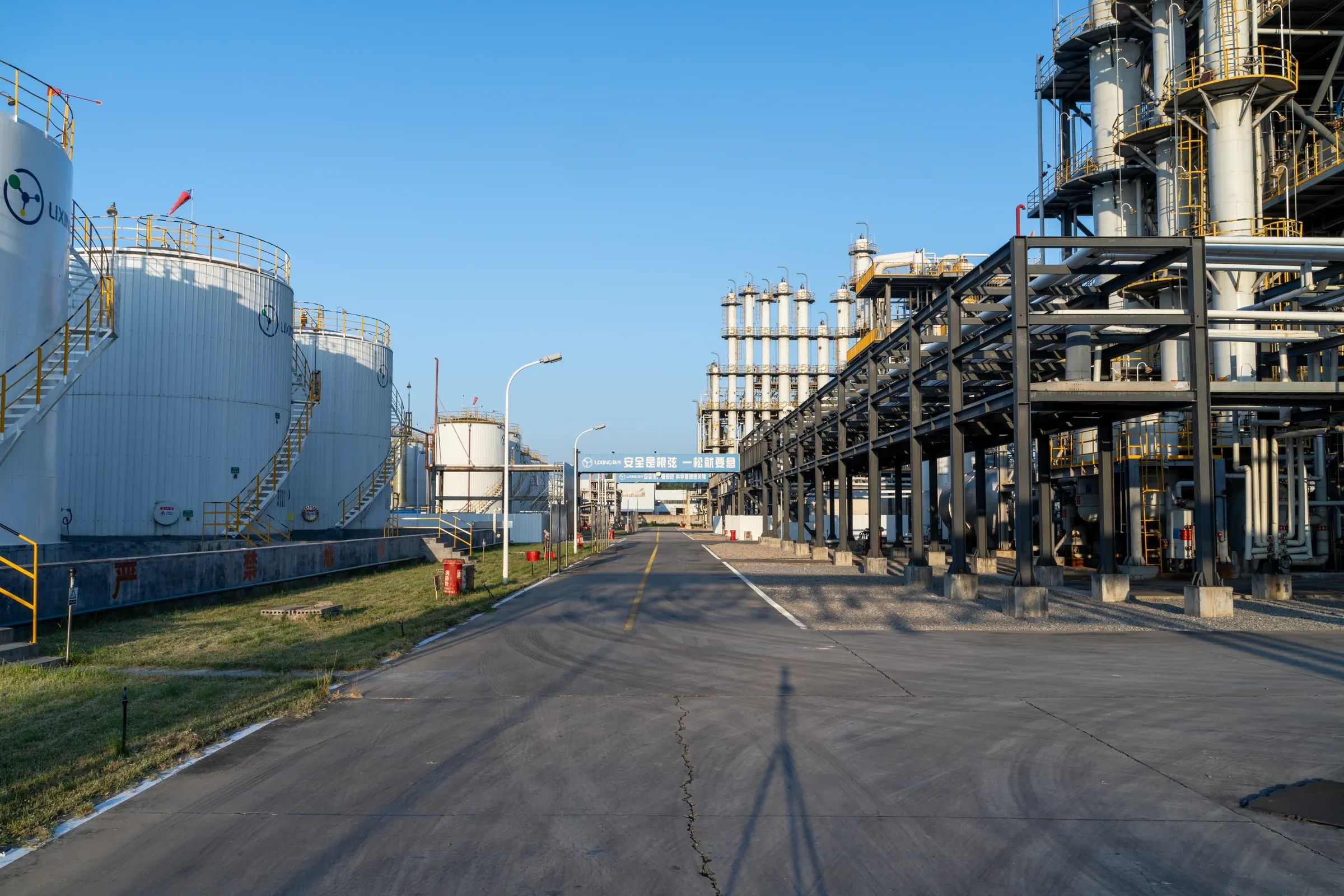
We identify flammable-liquid and vapour risks as priorities when handling DMC, DEC and EMC. Keep operations away from heat, flames and sparks, provide ventilation, and apply grounding, bonding and suitable equipment based on the site risk assessment.
EC is normally a crystalline solid below its melting point. Confirm its physical state before unloading. Any heating must follow product documents and site procedures to prevent local overheating and burns.
We emphasise protection against contact and spills: avoid eye and skin contact and select goggles, suitable gloves and clothing using the SDS and exposure assessment. PC’s higher flash point does not remove all risk. Trained personnel must handle spills under the site response plan.
We check the applicable SDS, transport classification, packaging and carrier conditions for the product and route. Site operations must follow the current SDS, risk assessment and operating procedures.
05 / PACKAGING & LOGISTICS
Our packaging options depend on product properties, quantity, route and unloading conditions. The suitability of drums, IBCs or ISO tanks, along with materials, loading quantities and delivery requirements, is specified in the order.
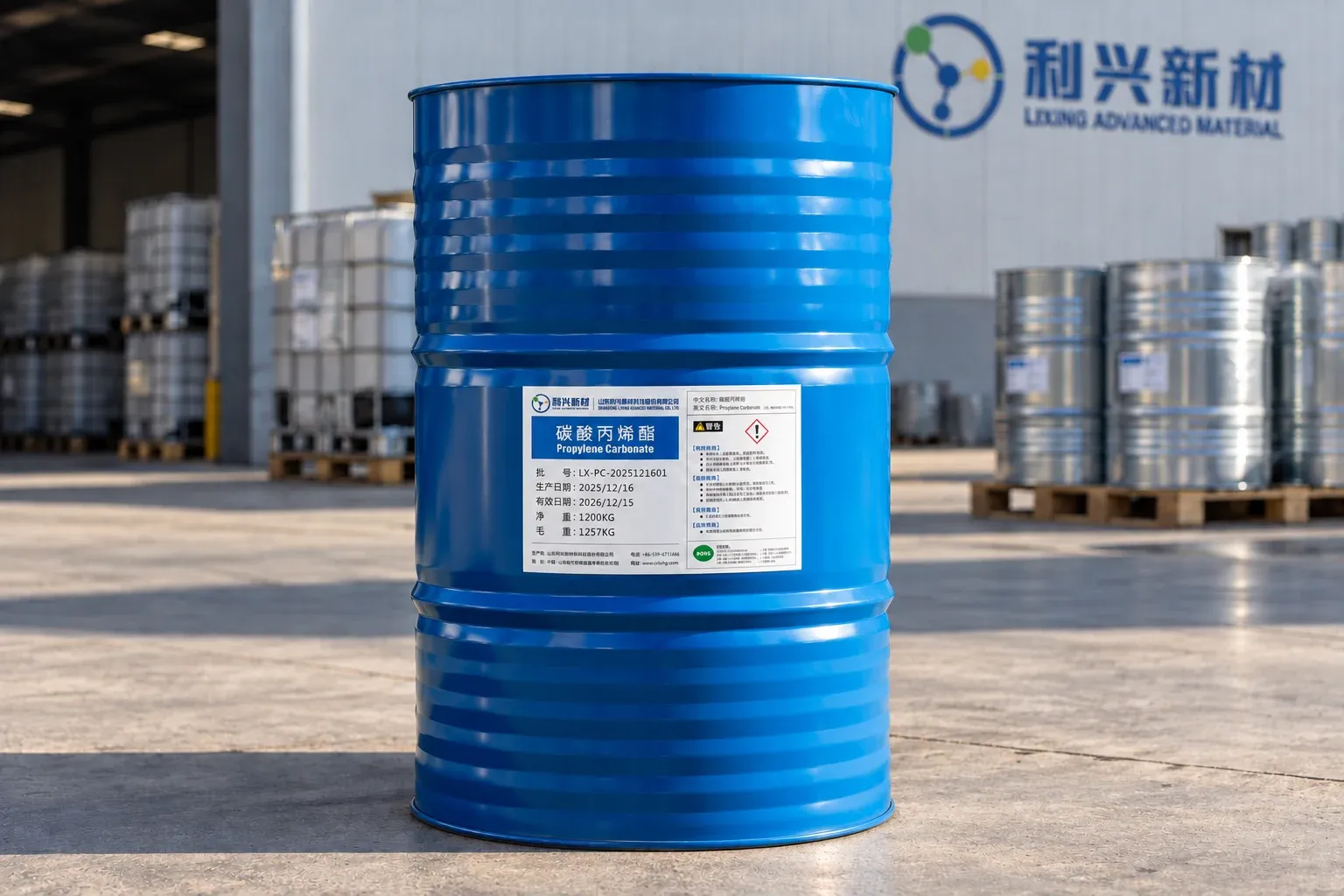
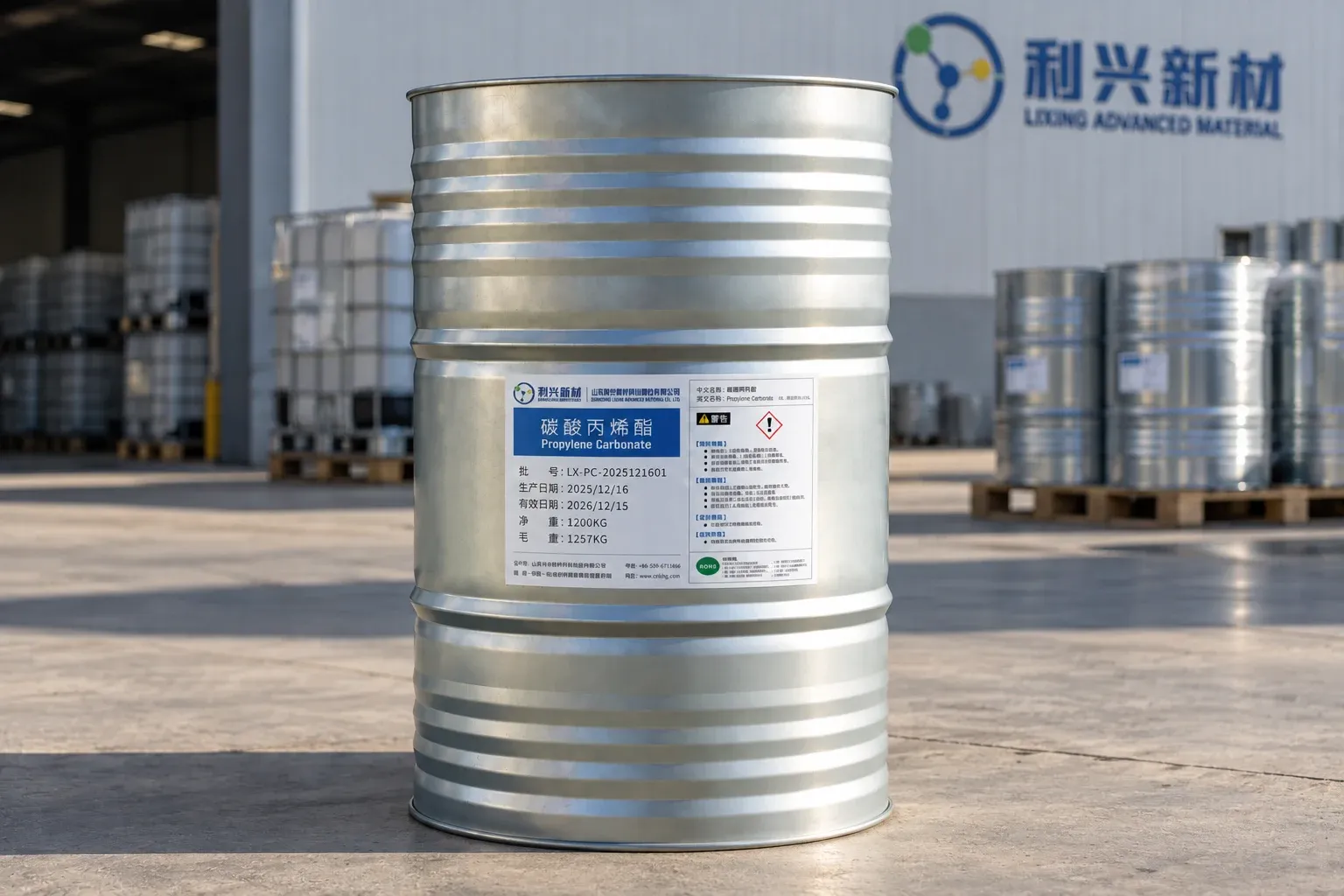
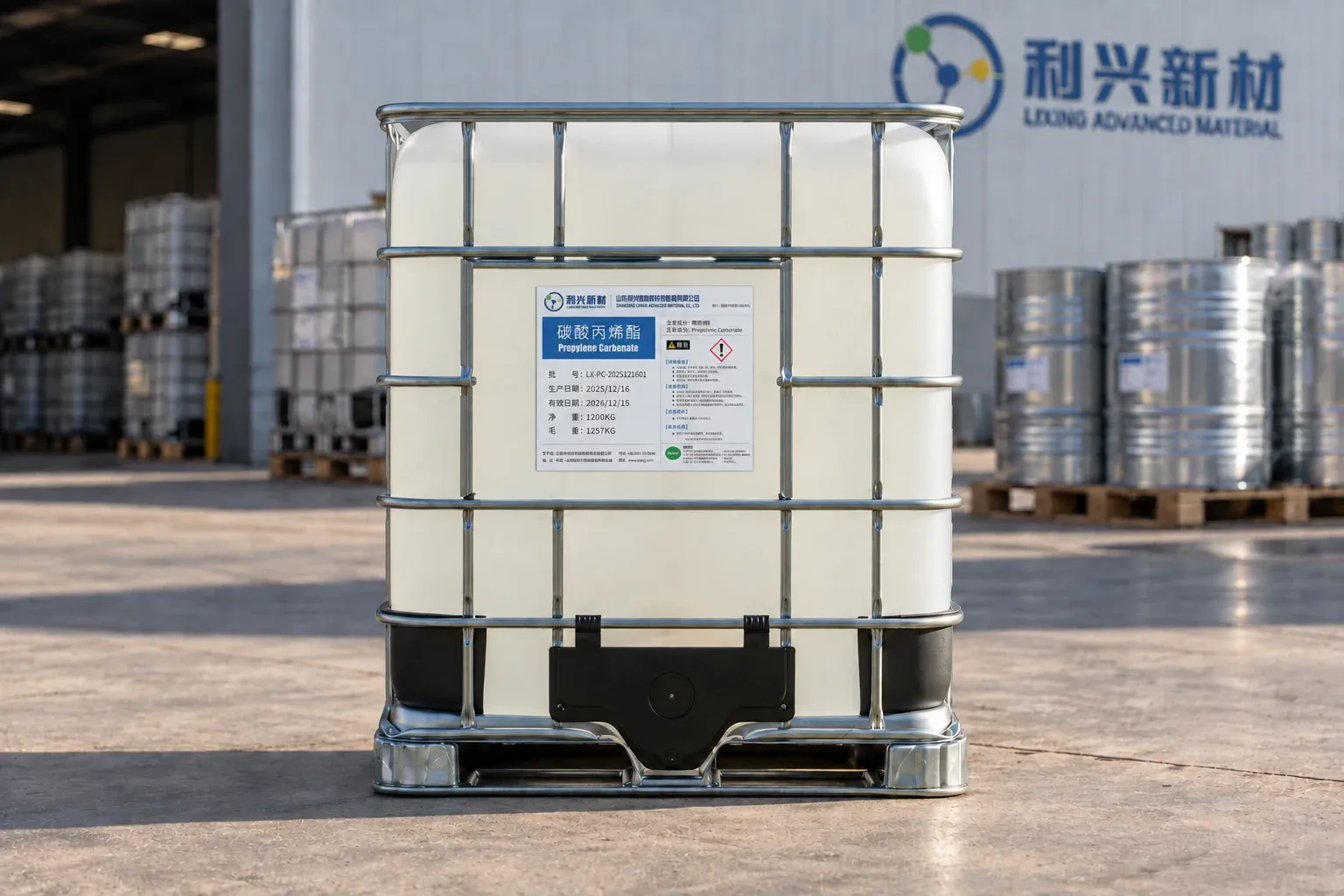
We assess container materials, seals, loading quantities and compatibility for the specific product.
We include cleanliness, dryness and sealing in packaging requirements to reduce contamination and moisture ingress.
We use the product SDS to define temperature, ventilation and incompatible-material segregation requirements.
We check labels, shipment documents, carrier conditions and unloading requirements against the order.
We package ethylene carbonate under closed, dry conditions. When using tank trucks or ISO tanks, we introduce high-purity nitrogen or argon to maintain positive-pressure protection.
We keep propylene carbonate enclosed during packaging to prevent air and moisture from entering the container.
We require container and connection surfaces to remain clean and free of foreign matter before and after packaging.
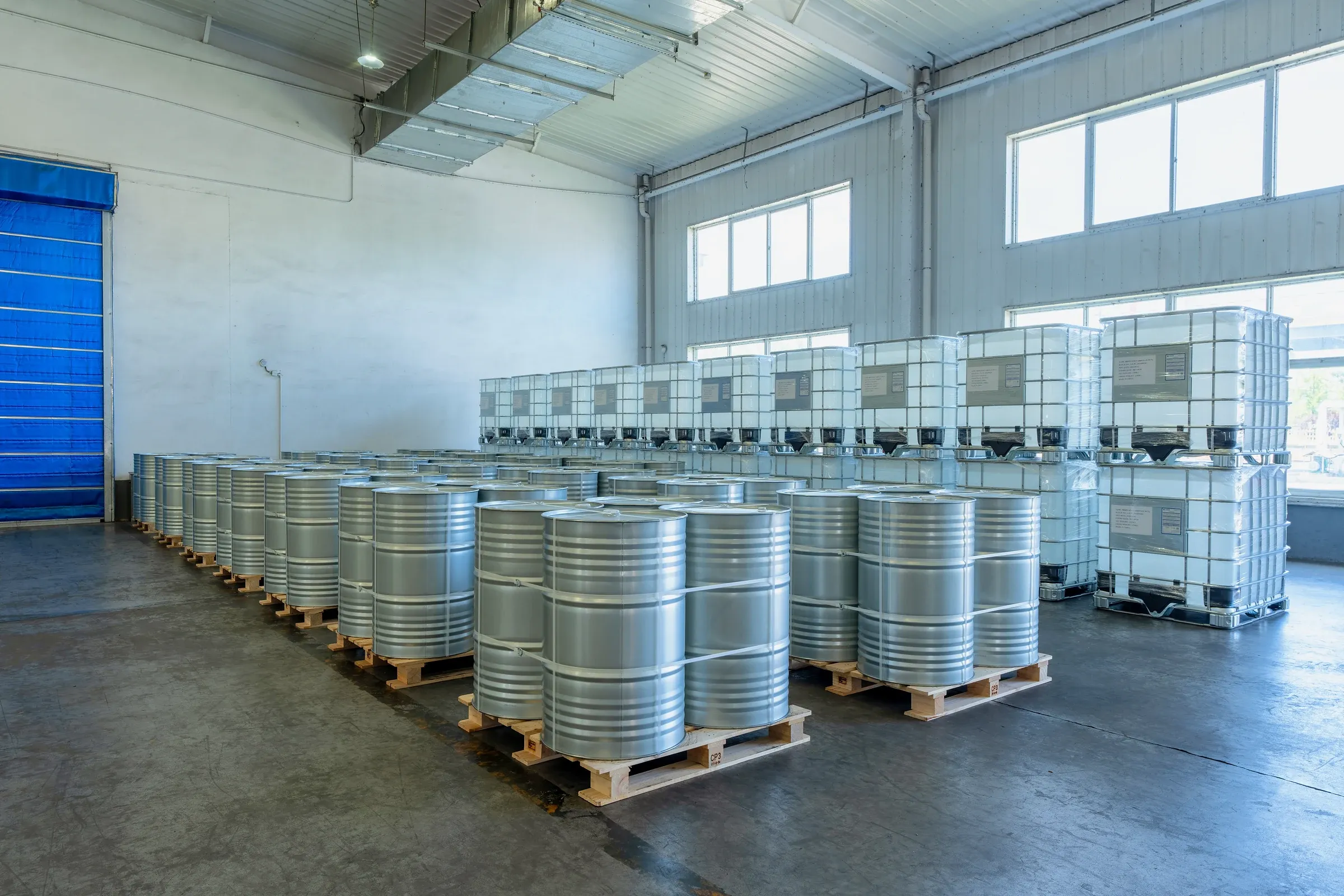
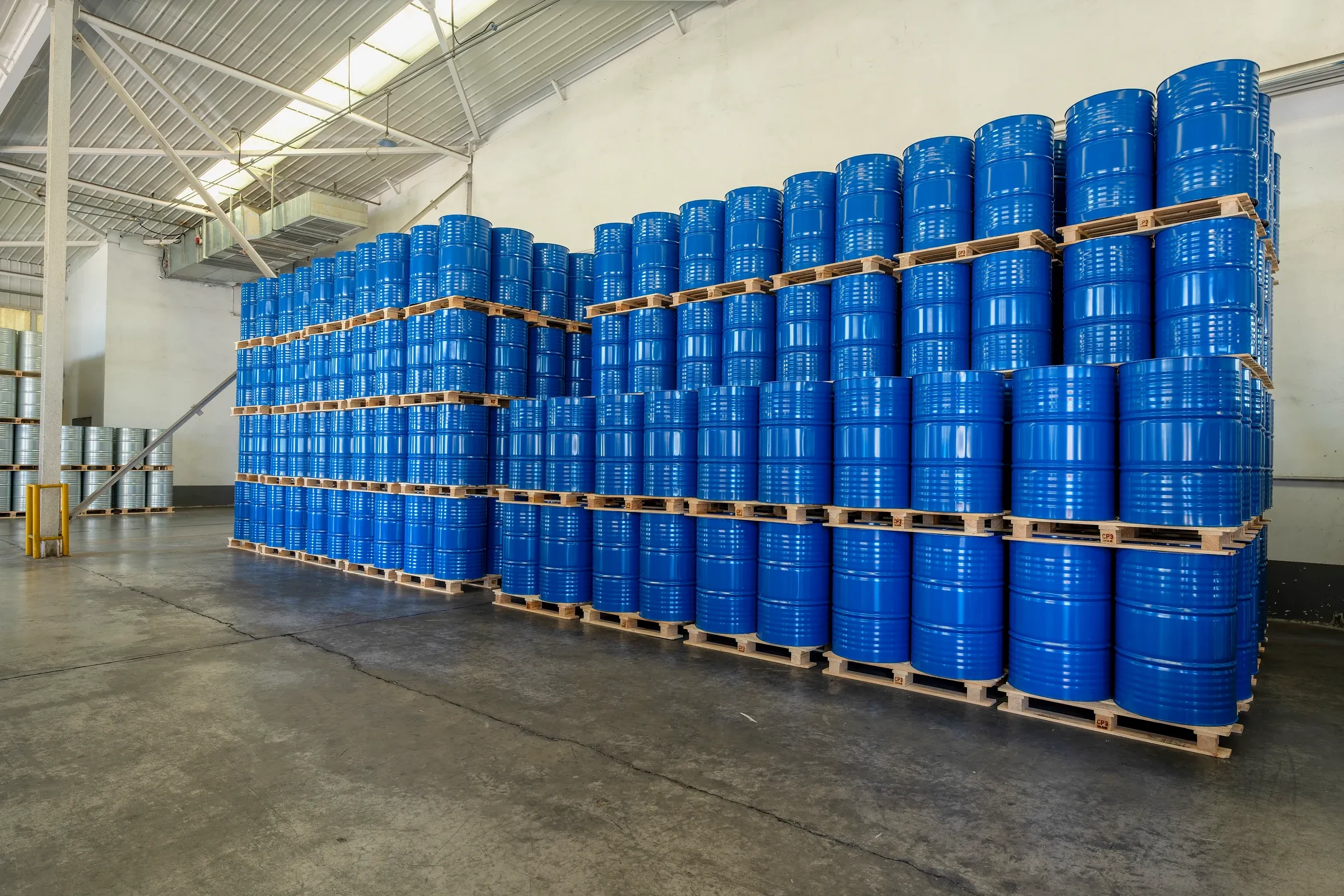
Our factory has an east warehouse and a west warehouse for packaged products.
We are advancing a vendor-managed inventory (VMI) supply chain for lithium/sodium battery electrolyte solvents and working to establish warehousing centres in Europe and the United States.
06 / QUALITY & SAFETY DOCUMENTS
Contact Lixing for technical specifications, safe-use information and batch analysis documents. Available documents, applicable versions and scope are checked against the product and order details.
Product properties, specifications and conditions of use.
Inspection parameters and results for the relevant product and batch.
Product-specific hazards, protection, storage and transport information.
Container formats, loading quantities and unloading requirements.
Your questions
Tell us the product and intended use, such as electrolyte formulation, coatings or another industrial process. We review content, moisture, colour and key impurity requirements. If you have a purchasing standard, include limits, units and test methods so we can confirm available specifications. We use the specification agreed by both parties for ordering and acceptance, rather than relying only on a grade name or purity figure.
Our PC, EC, DMC, DEC and EMC specifications include moisture, appearance and colour. The specifications list the corresponding epoxides and glycols for PC and EC, methanol for DMC, methanol and ethanol for DEC and EMC, and related carbonates for EMC. If you need acidity, metal ions or other trace impurities assessed, tell us before ordering. We will review the parameters, limits, methods and available documents and confirm what can be supplied.
Ask us for technical data when selecting a product, an applicable SDS when arranging storage, transport and use, and a batch-specific COA when checking a delivery. For a first purchase, you can request all three. For an existing order, send the order number, product and batch number so we can identify the correct documents. We distinguish general product specifications from the actual analytical results for your batch.
Send us your company standard or purchasing requirements, including the product, grade, key parameters, methods, packaging and application. We review the available specifications and any conditions requiring further confirmation. We agree additional tests, method differences, sample retention, retesting and change-notification requirements in the order or quality agreement. We work to the scope confirmed by both parties.
Tell us the quantity, transport method, preferred packaging, connections and unloading equipment. We review container compatibility, sealing and suitable loading quantities for the product before confirming an option. The photographs show packaging formats; we agree the actual material, net weight, labels and delivery requirements in your order. Image details do not replace that specification.
Check the product name, grade, batch number, package count and condition, then compare the batch COA with the agreed specification. Send us your order details, batch number and photographs of labels and packaging if you find a mismatch or damage. For analytical differences, also provide sampling details, test methods, units and results. We review the discrepancy and discuss retesting, sample retention and resolution under the agreed arrangements.
Confirm the current SDS for the product you buy with us and share its requirements with your warehouse, transport and operating teams. Address flammable-liquid and vapour risks for DMC, DEC and EMC, and physical state and unloading temperature for EC. Tell us your packaging, destination and unloading method in advance so we can review storage and transport requirements. Your site team determines ventilation, protection, equipment and emergency measures using that SDS and actual operating conditions.
Yes. We use the COA to review the batch's analytical results, but those results do not replace validation in your formulation, equipment and process. Complete compatibility and process trials in your intended system before bulk purchasing; electrolyte applications also require performance evaluation in that system. Share any critical raw-material parameters identified in your trials so we can refine the purchasing specification and packaging conditions.
Talk to Lixing
Contact Lixing for product specifications, inspection documents, packaging and logistics information, or specific application requirements.