
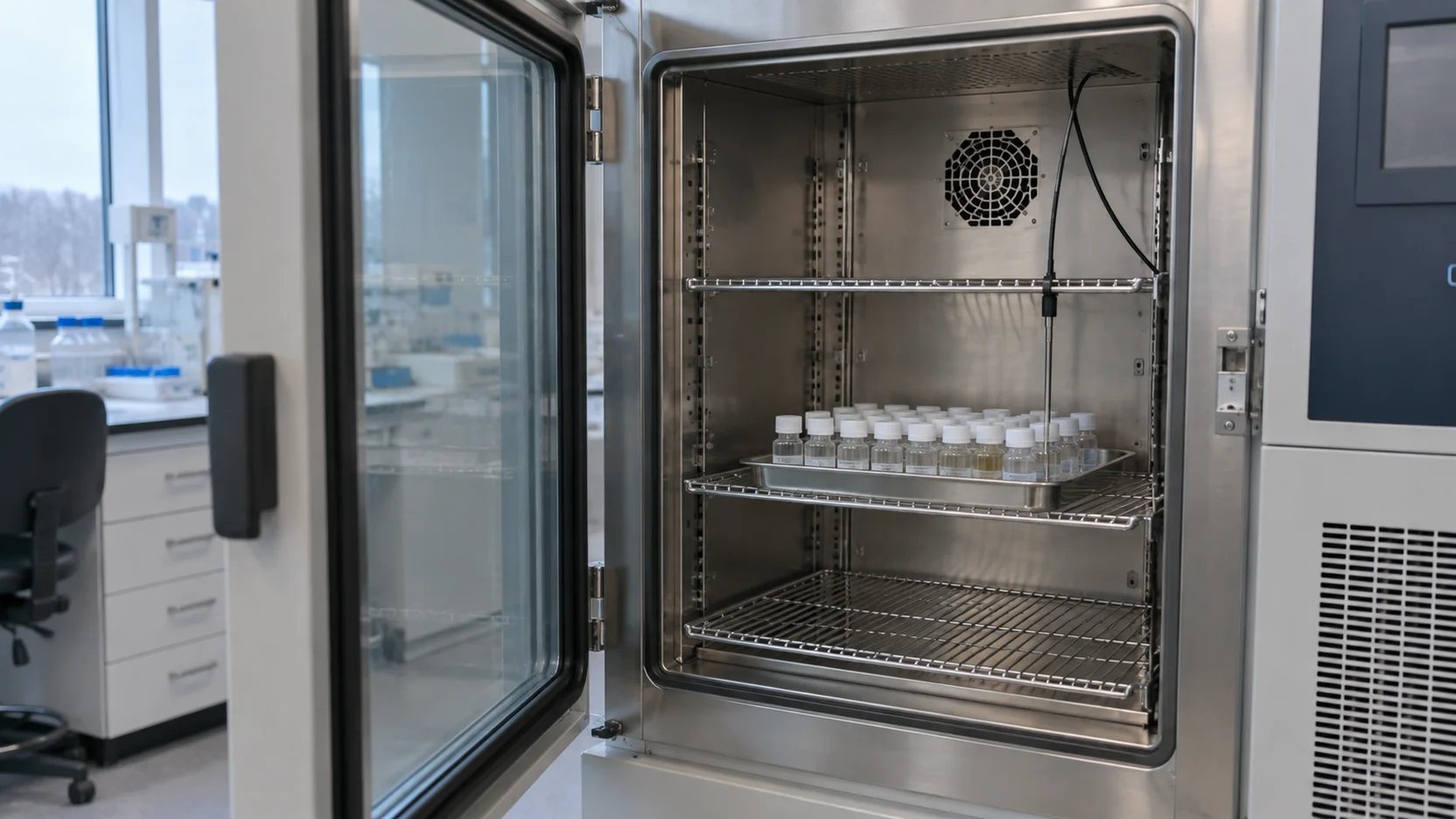
Dimethyl carbonate (DMC), ethyl methyl carbonate (EMC) and diethyl carbonate (DEC) differ mainly in pure-substance phase-transition temperatures, fluidity and volatility. Pure EMC and DEC freeze at lower temperatures than DMC, while DMC is generally more volatile near ambient temperature. After blending and adding lithium salts, overall composition and temperature further change the liquid’s properties, so electrolyte performance needs assessment under the target conditions.
Pure-substance property comparison for DMC, EMC and DEC
| Pure substance | Reference melting point (°C) | Evaporation near ambient temperature | Comparison note |
|---|---|---|---|
| DMC | 4.65 | Usually the most volatile of the three | Higher pure-substance phase-transition temperature |
| EMC | ≤ −53 | Usually between DMC and DEC | Wider low-temperature liquid range for the pure substance |
| DEC | −43 | Usually the slowest-evaporating of the three | Still requires fire-risk and composition control |
Table note: melting points come from Mitsui Fine Chemicals’ general physical property table for pure substances; ≤ denotes the upper melting-point limit for EMC. These are third-party reference properties, not Lixing delivery specifications. The volatility comparison assumes similar ambient temperatures and identical exposure conditions; actual rates also change with mixture composition.
Low-temperature behavior: avoiding crystallization is only the first step
Pure dimethyl carbonate (DMC), ethyl methyl carbonate (EMC) and diethyl carbonate (DEC) have different freezing characteristics. Pure EMC and DEC freeze at lower temperatures than DMC. However, crystallization of a salt-containing mixture depends on its overall composition and cannot simply follow the pure-substance order.
Even without crystallization, cooling may raise viscosity and slow ion migration. Lithium-ion reactions at the electrode surface may also slow. Remaining liquid, maintaining usable conductivity and delivering the required battery power are therefore three progressively deeper questions.
The ethylene carbonate (EC) proportion, lithium salt concentration and additives all affect the result. When comparing formulations, distinguish the effect of solvent substitution from simultaneous changes in other components.
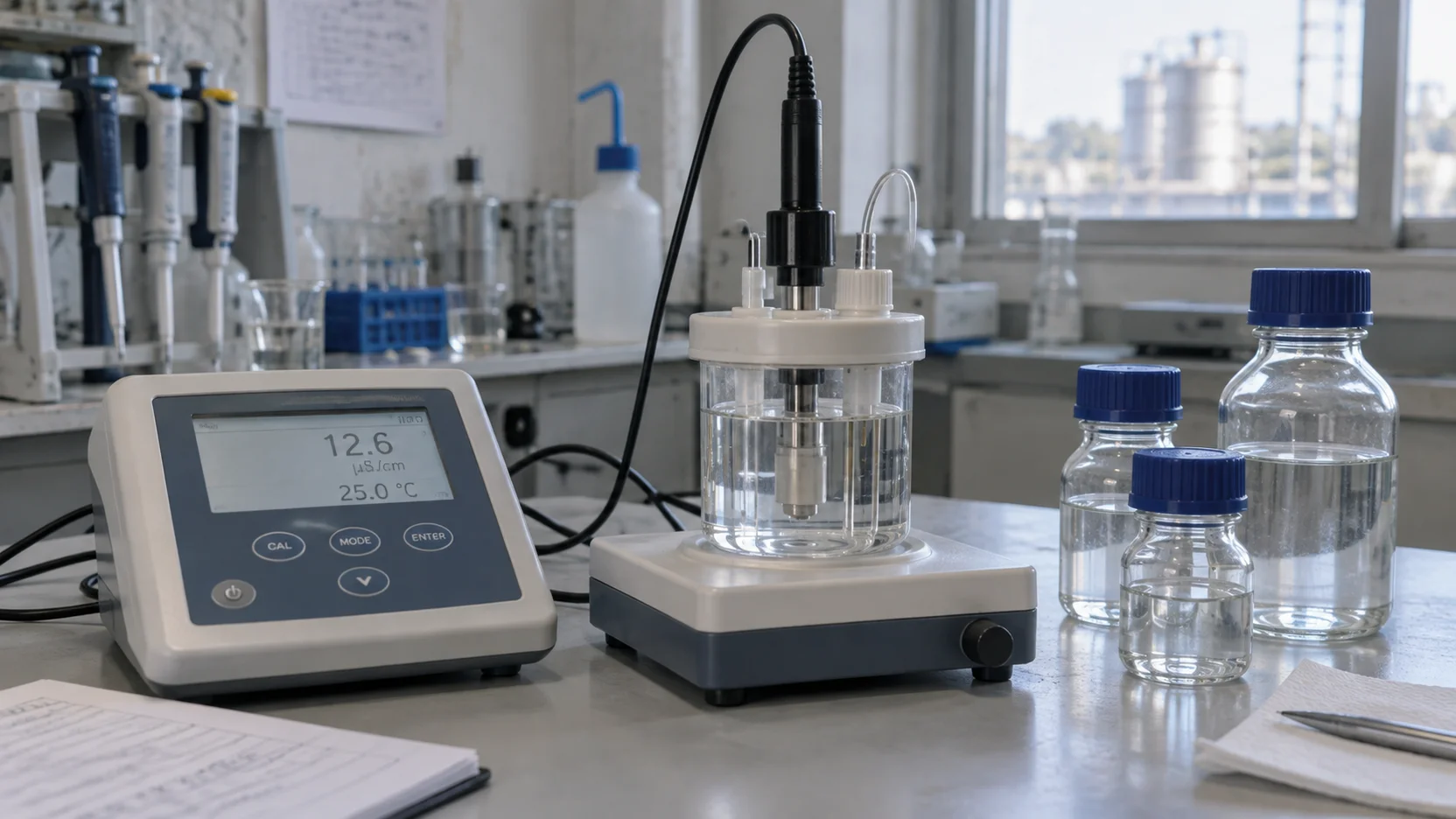
Conductivity depends on both ion population and mobility
Conductivity describes a liquid’s ability to carry current. In an electrolyte, salt supplies ions while the solvent influences dissociation, ion interactions and movement. Low viscosity generally favors migration, but conductivity need not rise if fewer ions contribute effectively to conduction.
Comparing electrolytes based on DMC, EMC or DEC therefore requires the same temperature and clear identification of the salt, concentration and remaining solvent composition. Mass and volume ratios must not be conflated. Higher conductivity still does not guarantee better cycling, because electrode interfaces and side reactions also affect the battery.
Volatility affects losses and can change composition
At similar ambient temperatures under identical exposure conditions, DMC is generally more volatile than EMC and DEC, with DEC evaporating relatively slowly. Their atmospheric boiling points also rise in that order. Boiling point defines a boiling condition, not a temperature below which evaporation stops. Actual evaporation also depends on vapor pressure, ventilation, exposed area and mixture composition.
Components of a mixture evaporate at different rates, so the loss may change both total quantity and the original mixing ratio. The degree of enclosure and operating temperature therefore affect material losses and consistency in subsequent solution preparation.
DMC, EMC and DEC all require attention to flammability. Slower evaporation does not mean nonflammability. Ventilation, ignition-source control and appropriate antistatic measures remain necessary.
For example, if a DMC/DEC mixture loses material through evaporation during transfer, the escaping material need not have the same composition as the original liquid. Under conditions favoring DMC entry into the vapor phase, the remaining liquid becomes relatively enriched in DEC. Even if the same total mass is subsequently weighed out, the proportions of the components introduced may have changed. Losses and composition changes must therefore be identified first; the missing total mass alone cannot determine which solvent to replenish.
References
Mitsui Fine Chemicals: physical properties and uses of carbonate products
HSE: safe use and handling of flammable liquids (general risk guidance)